Shaped by people.
Measured by experience.
The Best Spaces™ Standard helps define what matters most to communities, translate those priorities into design, and measure whether the finished space delivers.
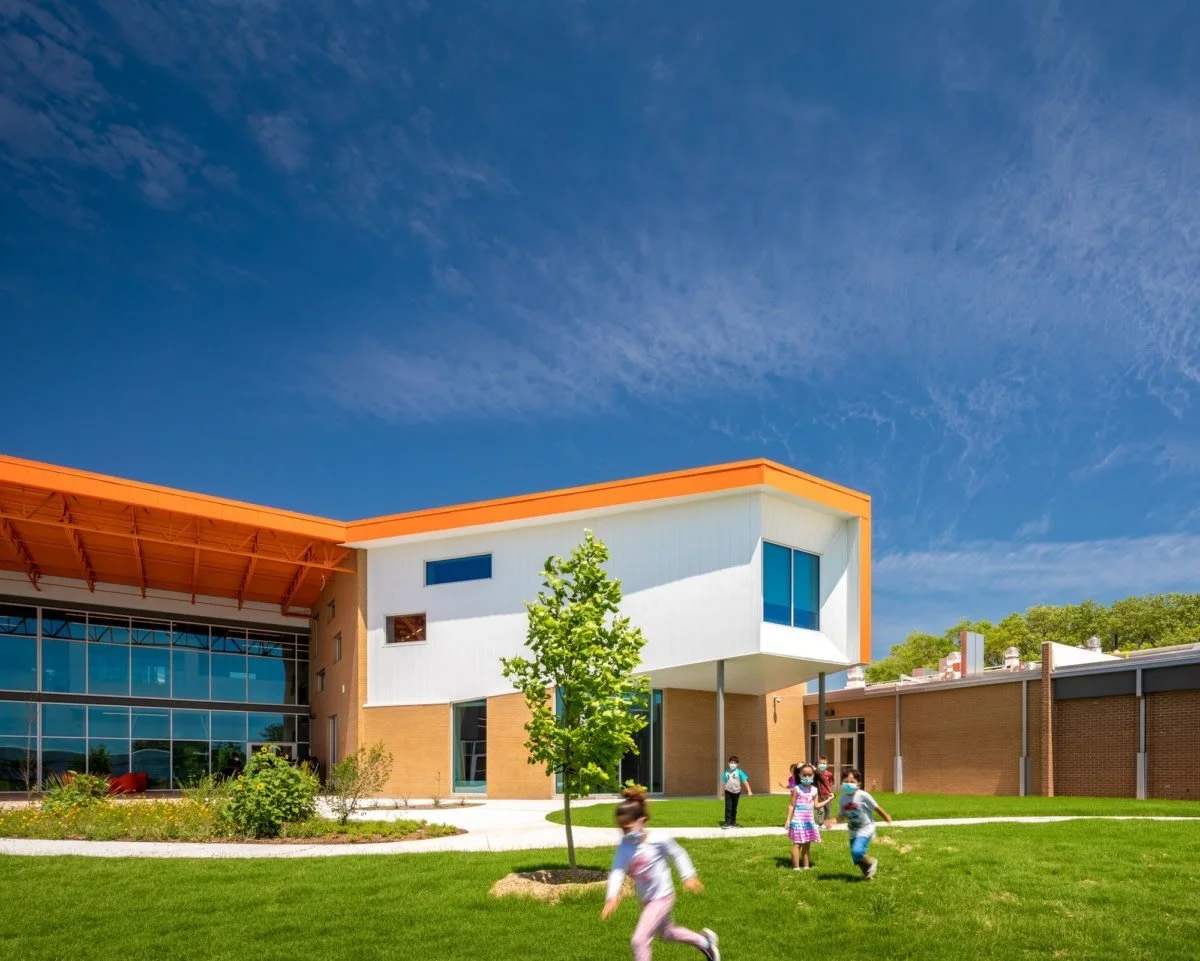
Norman-Sims Elementary, image courtesy of Kirksey Architecture | Best Spaces Accomplished Certification and Best Spaces Experience Rated
THE PHILOSOPHYThe best spaces are shaped—and evaluated—by the people who experience them.
Every community deserves a meaningful voice in shaping the places where they live, learn, work, and gather.
We believe listening is only the beginning. Communities should be able to understand how their priorities shaped design from start to finish—and evaluate whether those priorities were ultimately realized in the completed environment. This creates a more accountable, transparent, and people-centered approach to designing spaces that deliver what matters most.
Expanding building performanceTurn community priorities into design—and measure experience outcomes.
Traditional building performance measures energy usage, indoor air quality, resilience, and other functional outcomes. Best Spaces builds on these measures by evaluating whether community priorities were translated into design decisions—and ultimately realized after move-in. The result is a complementary approach to building performance that puts the people who experience a space at the center of evaluating its success.

The Memorial at Harvey Milk Plaza, image courtesy of the Friends of Harvey Milk Plaza and SWA Group
Best Spaces Accomplished Certification
THE APPROACHA research-backed design framework.
No two communities are the same, and each needs a different environment to support it. Rather than prescribing one-size-fits-all solutions, Best Spaces guides project teams through a research-backed and verified four-phase process — Engage, Analyze, Translate, Evaluate — to understand a community and turn what they learn into measurable design decisions.
Projects are recognized through two complementary credentials: Design Certification, which verifies how community priorities informed the design, and an Experience Rating, which evaluates how well the completed environment delivered on those priorities.
HOW IT WORKSSTEP 1
The Best Spaces Standard can be used during the design process,
or you can certify a finished space that followed the Best Spaces design framework.
Register an Ongoing or Completed Project
In-Process Certification
For projects pursuing certification during active design and construction, addressing criteria as the project evolves.
Retroactive Certification
For completed projects, based on the finished design process and evaluation of existing conditions.
STEP 2
Earn a Best Spaces Design Certification
Projects achieve one of three certification levels based on the total points earned across verified pathways.
Measure Experience Performance
STEP 3
After move-in, Best Spaces Design Institute administers an IRB-approved Experience Survey in collaboration with research partner North Carolina State University — measuring how the space performs for the people using it. Projects earn a Best Spaces Experience Rating based on results.
Complete the Engage, Analyze, and Translate Phases
STEP 4
Best Spaces is structured around requirements met through flexible pathways — so teams can pursue certification in the way that fits their project and community.
THE IMPACTFeatured Projects
Best Spaces has been applied across real-world projects — from educational facilities to public and cultural spaces — where stakeholder engagement shaped design decisions that communities can feel. Explore how teams put experience-driven design to work.
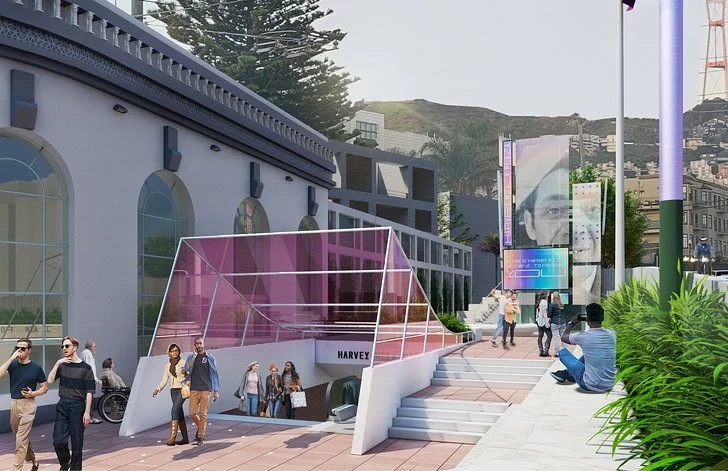
The Memorial at Harvey Milk Plaza, San Francisco, CA
Image courtesy of the Friends of Harvey Milk Plaza and SWA Group
Best Spaces Accomplished Certification
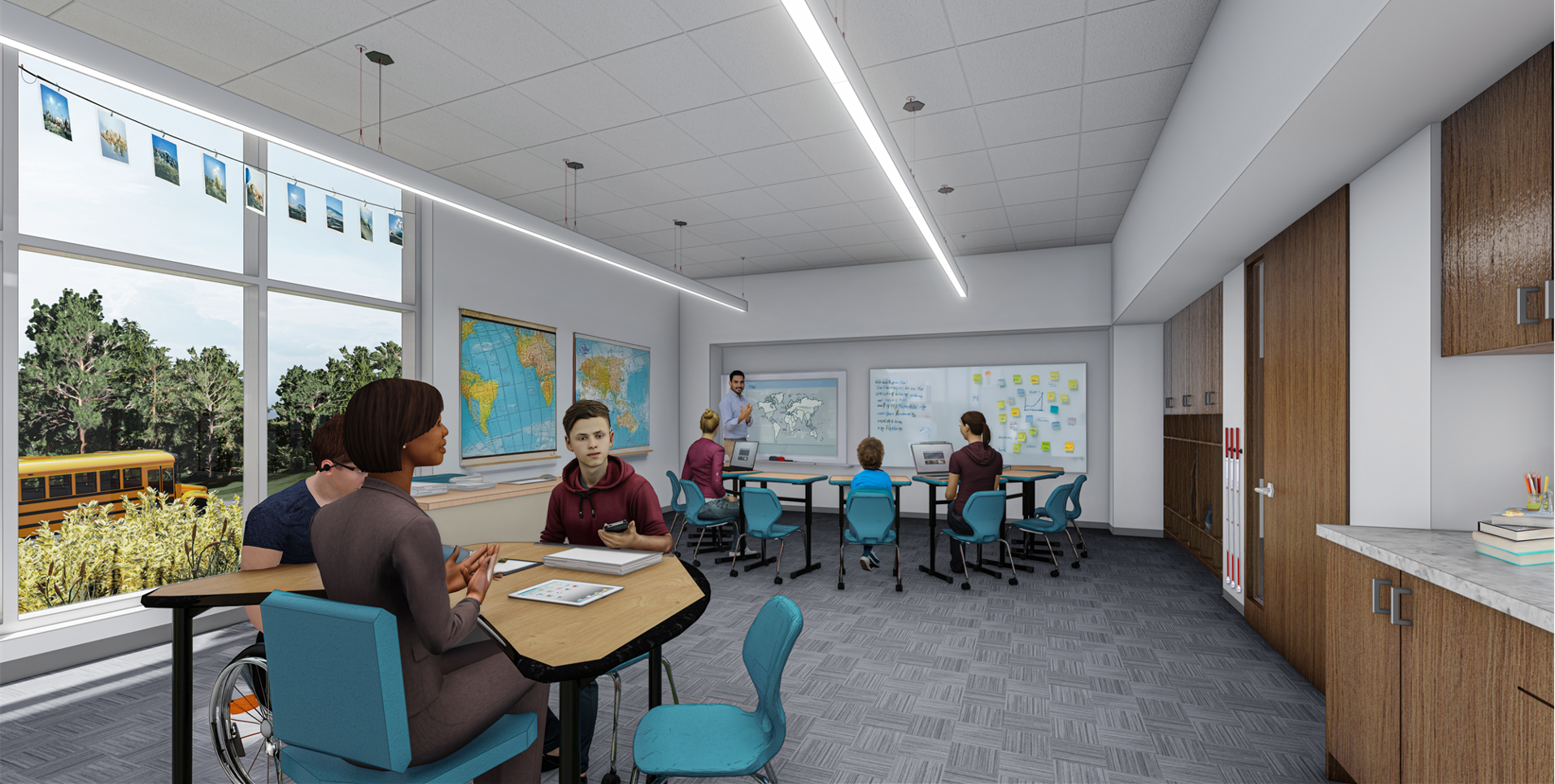
Arkansas School for the Deaf and Blind, Little Rock, AK
Image courtesy of Mackey Mitchell Architects
Best Spaces Accomplished Certification
Partners & Supporters